Persistent heel pain can make the first steps of the morning, a full workday, or a normal walk feel much harder than they should. Plantar fasciitis often improves with stretching, supportive footwear, activity changes, and time. When symptoms continue for months or repeatedly return, however, it may be time to consider a more personalized chronic plantar fasciitis treatment plan.
At Southside Foot Clinic, the goal is not to rush into an advanced procedure. It is to understand why the plantar fascia remains irritated and select the least invasive option that fits the patient’s condition, lifestyle, and goals.
Why Plantar Fasciitis Can Become Chronic
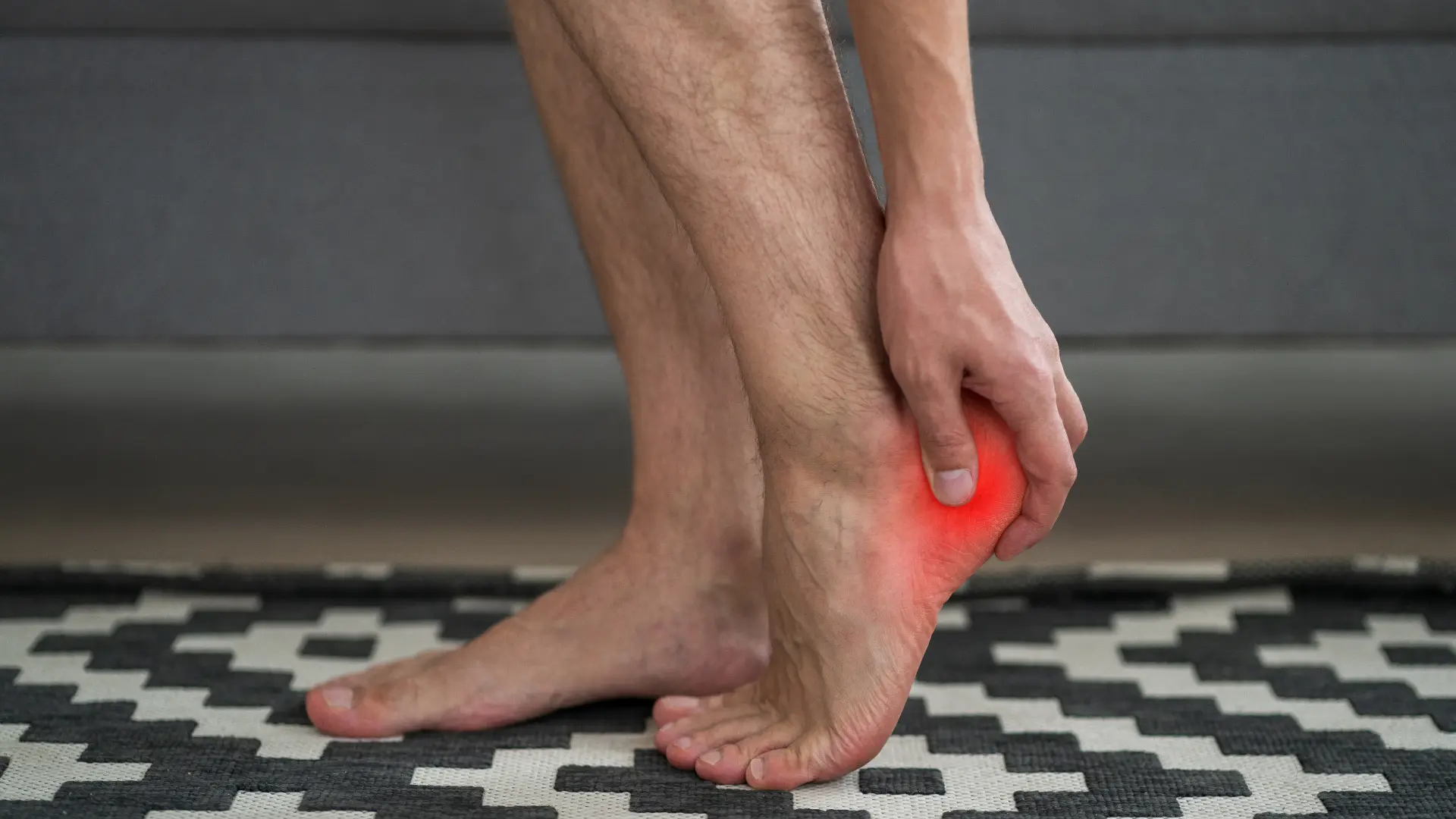
The plantar fascia is a strong band of tissue that runs from the heel toward the toes and helps support the arch. Repeated tension can irritate the tissue and create small areas of damage. Pain is often most noticeable with the first steps after sleep or sitting, although it may also increase after prolonged standing, walking, or exercise.
Tight calf muscles, sudden increases in activity, long hours on hard floors, unsupportive shoes, higher or flatter arches, and changes in walking mechanics can all keep stress on the fascia. The American Academy of Orthopaedic Surgeons notes that most patients improve without surgery, but recovery can take several months. Persistent symptoms do not automatically mean surgery is next; they may signal that the diagnosis or treatment plan needs to be reassessed.
First, Make Sure It Is Plantar Fasciitis
Not every case of heel pain comes from the plantar fascia. Stress fractures, nerve irritation, arthritis, heel-pad problems, Achilles tendon disease, and other conditions can cause similar discomfort. The location of the pain, when it appears, how it responds to activity, and the findings from a physical examination all help separate these possibilities.
During an evaluation, a podiatrist may assess tenderness, ankle and calf flexibility, arch structure, gait, footwear, and the activities that trigger symptoms. Imaging is not always necessary, but an X-ray, diagnostic ultrasound, or another study may be recommended when the diagnosis is unclear or pain has not responded as expected.
Our heel spurs and plantar fasciitis page outlines common symptoms and treatment options for patients experiencing heel pain.
Build on Conservative Care
When basic home care has not been enough, the answer is not always to stop stretching or immediately move to a procedure. Conservative treatment may simply need to become more specific.
A personalized plan may include:
Plantar fascia and calf stretching performed consistently and with proper technique.
Temporary activity modification to reduce repetitive impact while maintaining safe movement.
Supportive shoes selected for the patient’s work, exercise habits, and foot structure.
Physical therapy to improve flexibility, strength, and lower-limb mechanics.
Medication, taping, bracing, or temporary immobilization when clinically appropriate.
The American College of Foot and Ankle Surgeons also recommends stretching, supportive footwear, arch support, padding, and reducing extended high-impact activity as part of nonsurgical heel-pain care.
Could Custom Orthotics Help?
An over-the-counter insert may provide cushioning or general arch support. A custom orthotic is designed around the patient’s foot structure and mechanics. It may be considered when alignment, pressure distribution, or repeated strain is contributing to heel pain.
Orthotics do not resolve every case on their own. Their role is to reduce stress on the irritated tissue and improve the way force moves through the foot. They are often most useful when combined with stretching, footwear changes, and a gradual return to activity.
When a Procedure or Surgery May Be Considered
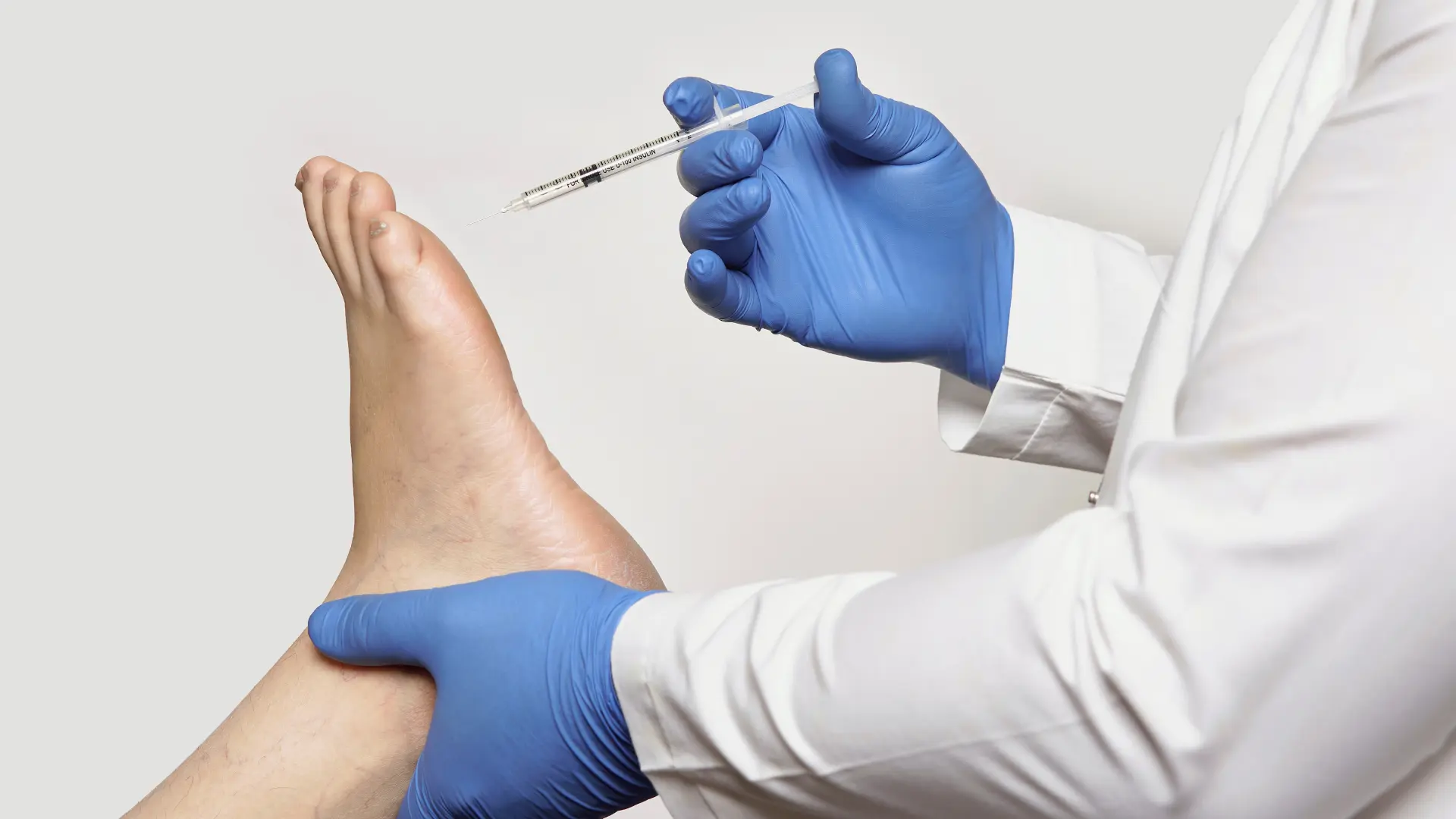
For a small group of patients with chronic plantar fasciitis that has not improved after an appropriate course of nonsurgical care, Southside Foot Clinic may discuss a plantar fasciotomy. The procedure partially releases the tight or damaged portion of the plantar fascia to reduce tension at the heel. The American Academy of Orthopaedic Surgeons explains that plantar fascia release may be performed through either an open or endoscopic approach. Surgery is not a first-line treatment, and candidacy depends on a confirmed diagnosis, symptom duration, previous care, overall health, and the patient’s goals.
Minimally Invasive Endoscopic Plantar Fasciotomy
During an endoscopic plantar fasciotomy, the surgeon uses a small scope and specialized instruments through a small incision to view the fascia and release part of it. This minimally invasive approach may reduce disruption to surrounding tissue compared with a larger open incision. It still requires a planned recovery period, and the amount of fascia released must be carefully determined for each patient.
Open Plantar Fasciotomy
An open plantar fasciotomy allows the surgeon to directly view and partially release the plantar fascia through a larger incision. It may be considered when broader access is helpful, when the patient’s anatomy or condition is better suited to an open approach, or when another procedure needs to be completed at the same time. Recovery instructions may differ from the endoscopic approach, so weight-bearing, footwear, work, and activity expectations should be reviewed before surgery.
Where Tenex Health TX® May Fit
Tenex Health TX® is another minimally invasive technique that uses ultrasonic energy to target and remove damaged tissue through a small opening. It may be discussed in select cases, but it is only one of several possible approaches and is not the focus of every plantar fasciitis treatment plan. Southside Foot Clinic may instead recommend continued nonsurgical care, minimally invasive endoscopic plantar fasciotomy, open plantar fasciotomy, or another option based on the patient’s needs and goals.
What to Expect from a Chronic Heel Pain Consultation
A useful consultation should clarify more than which procedure is available. It should identify what is causing the pain, which mechanical or activity-related factors are keeping it irritated, and which treatments have already been tried and for how long.
The discussion may cover whether footwear changes, physical therapy, or orthotics could still add value; whether an endoscopic or open plantar fasciotomy may be appropriate; whether another minimally invasive option should be considered; and what recovery, activity modification, and follow-up may involve. Even after a procedure, patients may still need supportive footwear, stretching, rehabilitation, and a gradual return to impact activity.
Find Chronic Plantar Fasciitis Treatment in Greenwood, IN
Heel pain that keeps returning should not be accepted as a permanent part of daily life. A focused evaluation can identify why the condition has not improved and whether a personalized nonsurgical, minimally invasive, or surgical approach may be appropriate. Contact us to request an appointment today!