Chronic tendon pain can become particularly discouraging when you have already tried rest, activity changes, medication, physical therapy, or other conservative treatments and the discomfort continues to return.
In some cases, ongoing symptoms are associated with damaged tendon tissue that has not responded sufficiently to conservative care. For select patients, a minimally invasive procedure called Tenex Health TX® may be an option.
Southside Foot Clinic offers Tenex Health TX® in Greenwood for certain chronic foot and ankle tendon conditions, including Achilles tendon pain.
If you are considering a Tenex procedure for foot and ankle pain, understanding how the technology works, who may be considered for treatment, and what recovery involves can help you prepare for a conversation with your podiatrist.
What Is Tenex Health TX®?
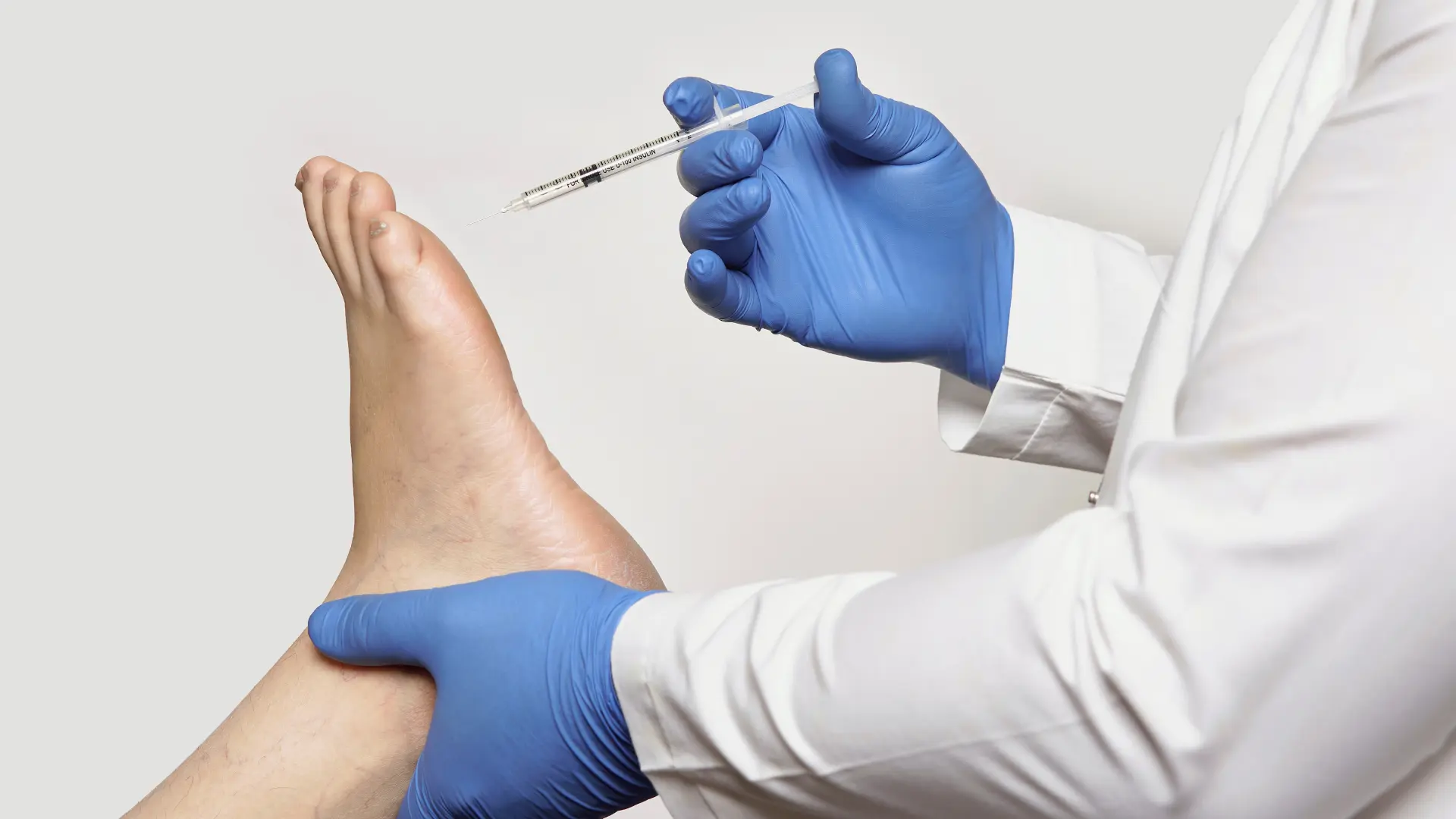
Tenex Health TX® is a minimally invasive technology used to address certain areas of diseased or damaged tendon tissue.
The procedure is performed through a small incision. Using imaging guidance, the physician positions a specialized instrument at the affected tissue. Ultrasonic energy is then used to precisely break down and remove the targeted diseased tissue while limiting disruption to surrounding healthy structures.
Unlike traditional open surgery, the Tenex procedure can typically be performed with local anesthesia. The manufacturer states that stitches generally are not required, although the exact procedure and aftercare depend on the individual patient and treatment area.
What Types of Foot and Ankle Problems May Be Treated with Tenex?
Tenex is generally considered for chronic tendon problems rather than a recent minor strain or short period of soreness.
For foot and ankle patients, one of its applications is the treatment of chronic Achilles tendon disease. Tenex technology can also be used in certain other ankle tendon areas. The manufacturer lists Achilles and peroneal tendons among its soft-tissue applications.
Southside Foot Clinic specifically offers Tenex Health TX® for chronic Achilles tendonitis and ankle tendonitis.
An examination is necessary because pain near a tendon does not automatically mean that Tenex is appropriate. Your podiatrist first needs to identify the source of the symptoms and determine the condition of the involved tissue.
When Might Tenex Be Considered?
Many tendon problems improve without a procedure.
Rest, modifications to exercise, physical therapy, stretching, strengthening, medication, immobilization, and other conservative measures may be considered depending on the injury and patient.
Tenex is generally discussed when tendon symptoms have become chronic and have not improved adequately with conservative treatment. Tenex Health identifies persistent tendon pain lasting three months or longer as one situation in which a patient may discuss the procedure with a physician.
That does not mean everyone who has experienced three months of pain is automatically a candidate. Your symptoms, medical history, previous treatment, examination, imaging, and specific diagnosis all need to be considered.
What Happens During the Procedure?
One benefit of the Tenex approach is that it is performed on an outpatient basis.
The treatment area is first identified and numbed with a local anesthetic. Imaging guidance helps the physician locate the affected tissue. A small incision is then made so the Tenex MicroTip can reach the targeted area.
The device delivers ultrasonic energy, enabling the physician to cut and remove damaged tissue with precision. Once the treatment is complete, the area is dressed. According to Tenex Health, sutures are typically unnecessary because of the small incision.
Your physician will give you instructions specific to the tendon that was treated and your individual health needs.
What Is Recovery Like After Tenex?
Minimally invasive does not mean there is no recovery period.
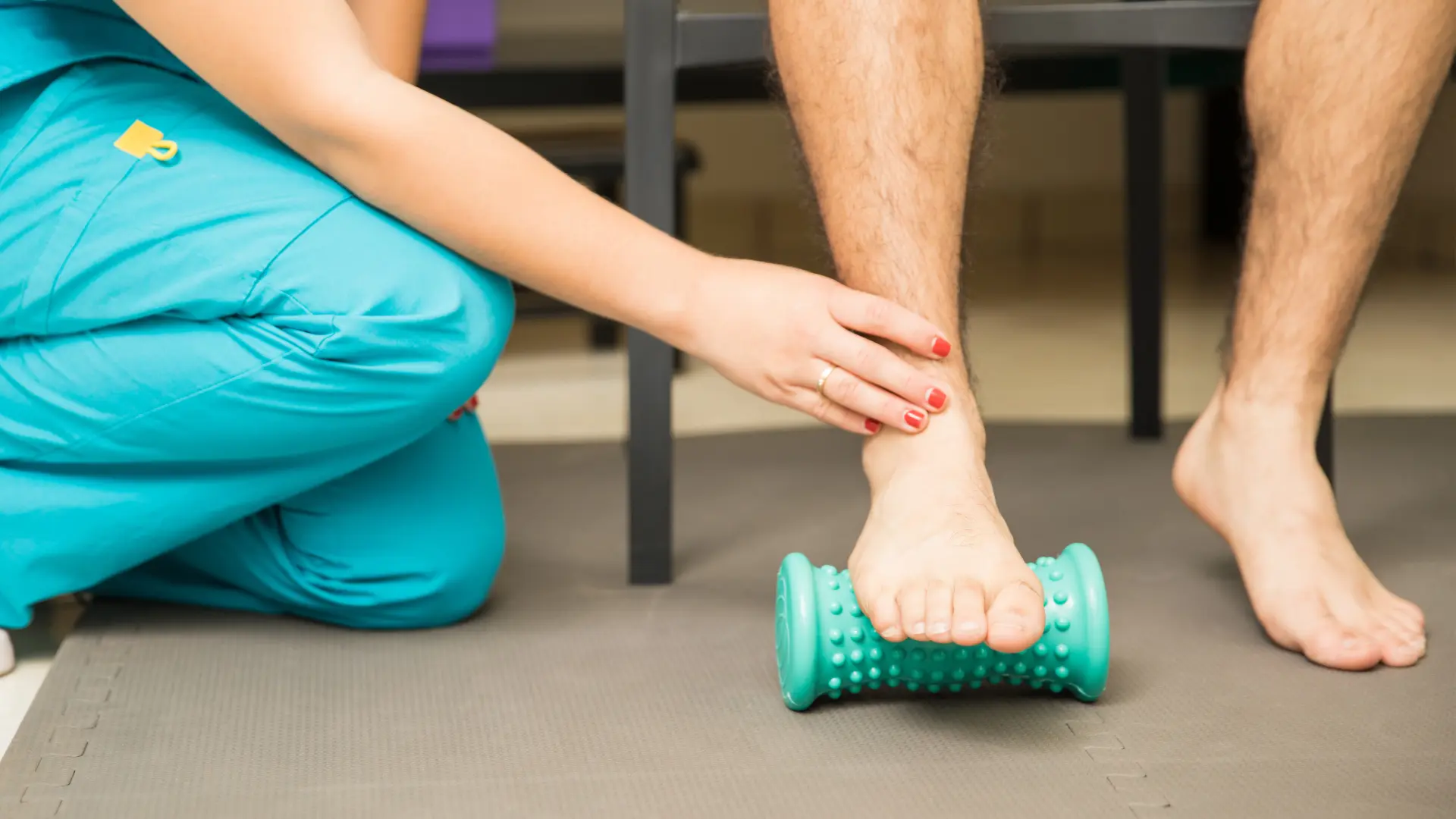
The treated tendon still needs time to heal, and returning to demanding activity too quickly can interfere with recovery. You may initially be instructed to reduce certain activities and gradually begin range-of-motion or strengthening exercises as directed by your physician.
Tenex Health reports that return to normal activities after tendon procedures typically occurs within 6 to 12 weeks, but recovery varies by patient, anatomy, and condition.
Your personal timeline may be different, particularly if you are returning to running, sports, physically demanding work, or another high-impact activity.
Following the recovery plan your physician provides is an important part of the treatment process.
Is Tenex the Same as Open Surgery?
No. Tenex is designed as a minimally invasive alternative for certain conditions that might otherwise require a larger surgical procedure.
Traditional open surgery generally involves a larger incision and may involve general anesthesia, depending on the operation. Tenex uses a much smaller entry point and is typically performed using local anesthesia.
That difference does not make one treatment appropriate for every condition. Some tendon injuries still require surgical repair, and other patients may be better served by continued conservative treatment.
The appropriate choice depends on the diagnosis and extent of the problem.
Find Out If Tenex Is Appropriate for Your Tendon Pain
Chronic tendon pain should not be treated based on duration alone. Identifying the damaged structure and understanding why symptoms have persisted are important before deciding on a procedure.
If you have ongoing Achilles or other foot and ankle tendon pain despite previous treatment, Southside Foot Clinic can evaluate the problem and discuss options that may include Tenex Health TX®.
To schedule an appointment at Southside Foot Clinic in Greenwood, Indiana, call (317) 882-9303 or request an appointment online.