The insole aisle can make foot support look simple: choose a size, pick a level of cushioning, and place the insert in your shoe. For some people, that may be enough to make a long day more comfortable. But when foot pain keeps returning, a generic insert and a prescription orthotic are not the same thing. Patients searching for custom orthotics in Johnson County, Indiana, often need support that is based on their actual foot structure, movement, and diagnosis.
At Southside Foot Clinic, custom orthotics begin with a podiatric evaluation rather than a retail template. The goal is to understand how your feet load the ground, where pressure is building, and whether your mechanics are contributing to heel, arch, joint, or overuse pain. That information helps determine whether a store-bought insert is reasonable or whether a prescription device may offer more targeted support.
Store-Bought Insoles Comparison: What Generic Inserts Can and Cannot Do
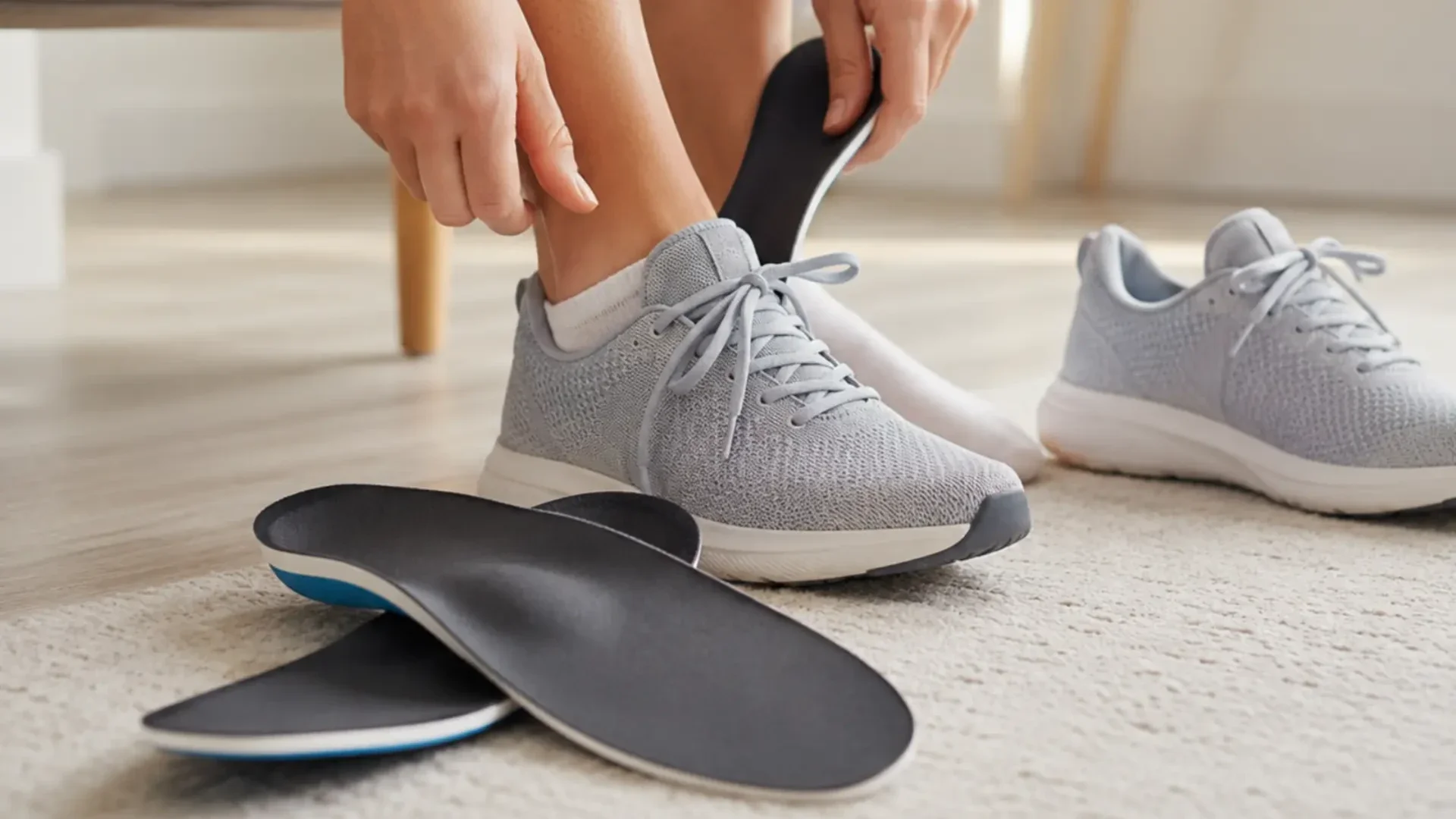
Store-bought insoles are mass-produced products designed to fit a broad range of feet. They can provide cushioning, basic arch support, or extra comfort inside certain shoes. The American Podiatric Medical Association explains that non-prescription shoe inserts may be useful for cushioning and support, but they are not made to correct an individual patient's specific biomechanical problem.
That distinction matters in a store-bought insoles comparison. Two people can have pain in the same area for very different reasons. One may need simple cushioning, while another may have overpronation, a high arch, an uneven pressure pattern, or a condition that changes how force travels through the foot. Custom shoe inserts prescribed after an examination are designed around those individual findings.
3D Foot Orthotics: Designed Around the Way You Move
Southside Foot Clinic uses a precise digital scan to create 3D foot orthotics based on the patient's prescription. The podiatrist evaluates the feet, gait, and condition being treated before the scan is taken. The orthotics are then designed and 3D printed in the office, with fitting and adjustments available as needed.
Because 3D foot orthotics are made for a specific patient, they can be designed to redistribute pressure, support an arch, control excessive motion, or accommodate a sensitive area. Southside's in-house process also means custom fabrication, fitting, and delivery can be completed within about 10 days. Custom shoe inserts may be considered for plantar fasciitis, flat feet and overpronation, sports and overuse injuries, arthritic joint discomfort, diabetic foot protection, and recurring foot fatigue.
When Custom Shoe Inserts May Be Worth Considering
Not every sore foot needs a prescription device. A store-bought insert may be reasonable when the goal is simply extra cushioning and there is no ongoing condition that needs to be addressed. A podiatric evaluation becomes more useful when pain is persistent, keeps returning, affects more than one area, or seems connected to the way you stand or walk.
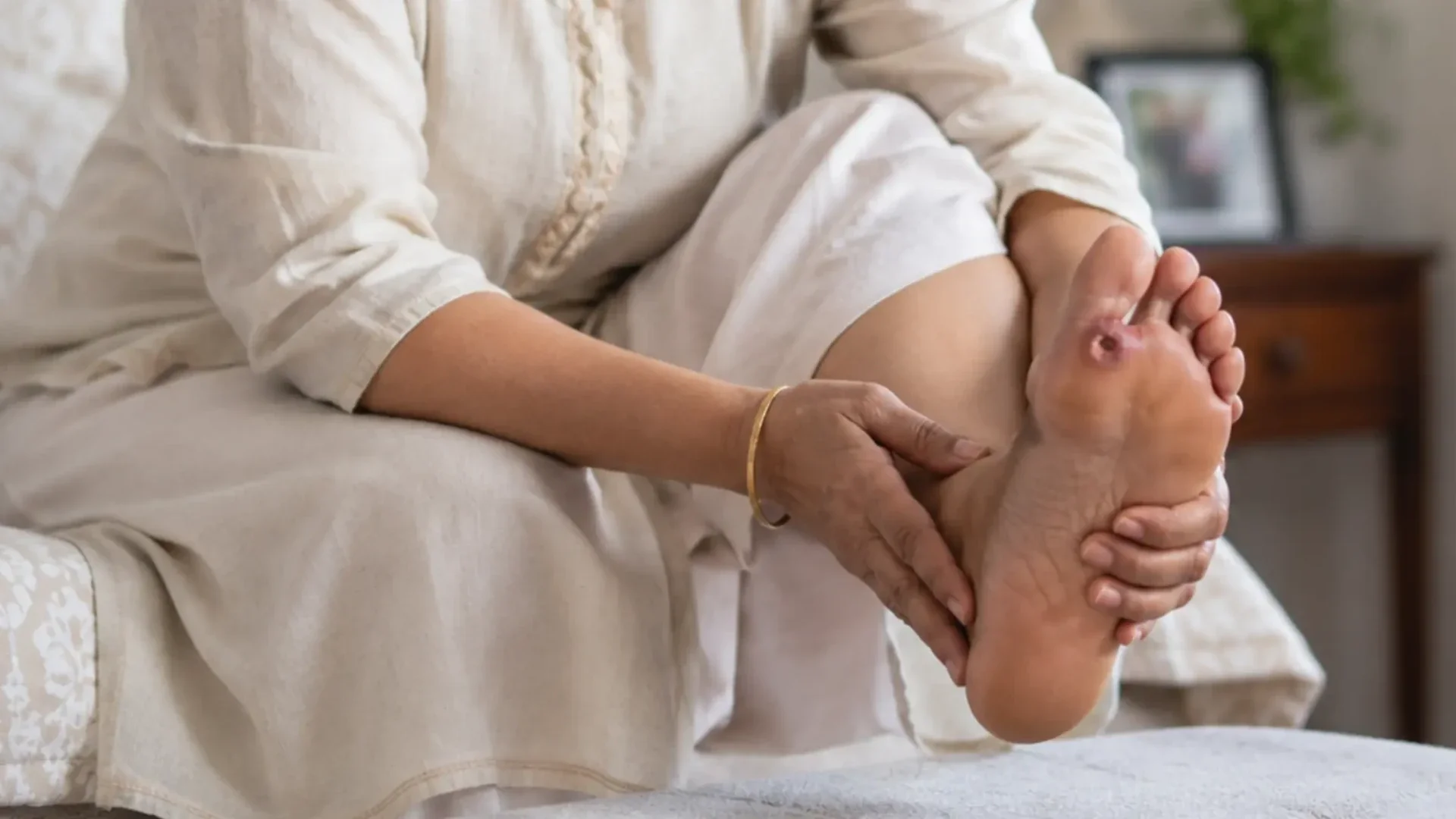
For example, patients with recurring heel pain may benefit from an evaluation for plantar fasciitis, while patients with collapsed arches or overpronation may need support that changes how the foot functions rather than simply adding padding. The APMA notes that prescription orthotics are created after a complete assessment of the feet, ankles, and legs so the device can be matched to the patient's structure and condition.
How to Know Which Option Is Right for You
The best choice depends on why your feet hurt. If a basic insert makes your shoes more comfortable and the discomfort does not return, you may not need anything more. If pain continues despite changing shoes or trying over-the-counter support, it may be time to look at the mechanics behind the problem.
Southside Foot Clinic offers custom orthotics in Johnson County, Indiana, for patients who need more individualized support. If you are unsure whether 3D foot orthotics or a store-bought option makes sense for you, request an appointment for an evaluation. The right support should be chosen for your feet, your condition, and the way you move.