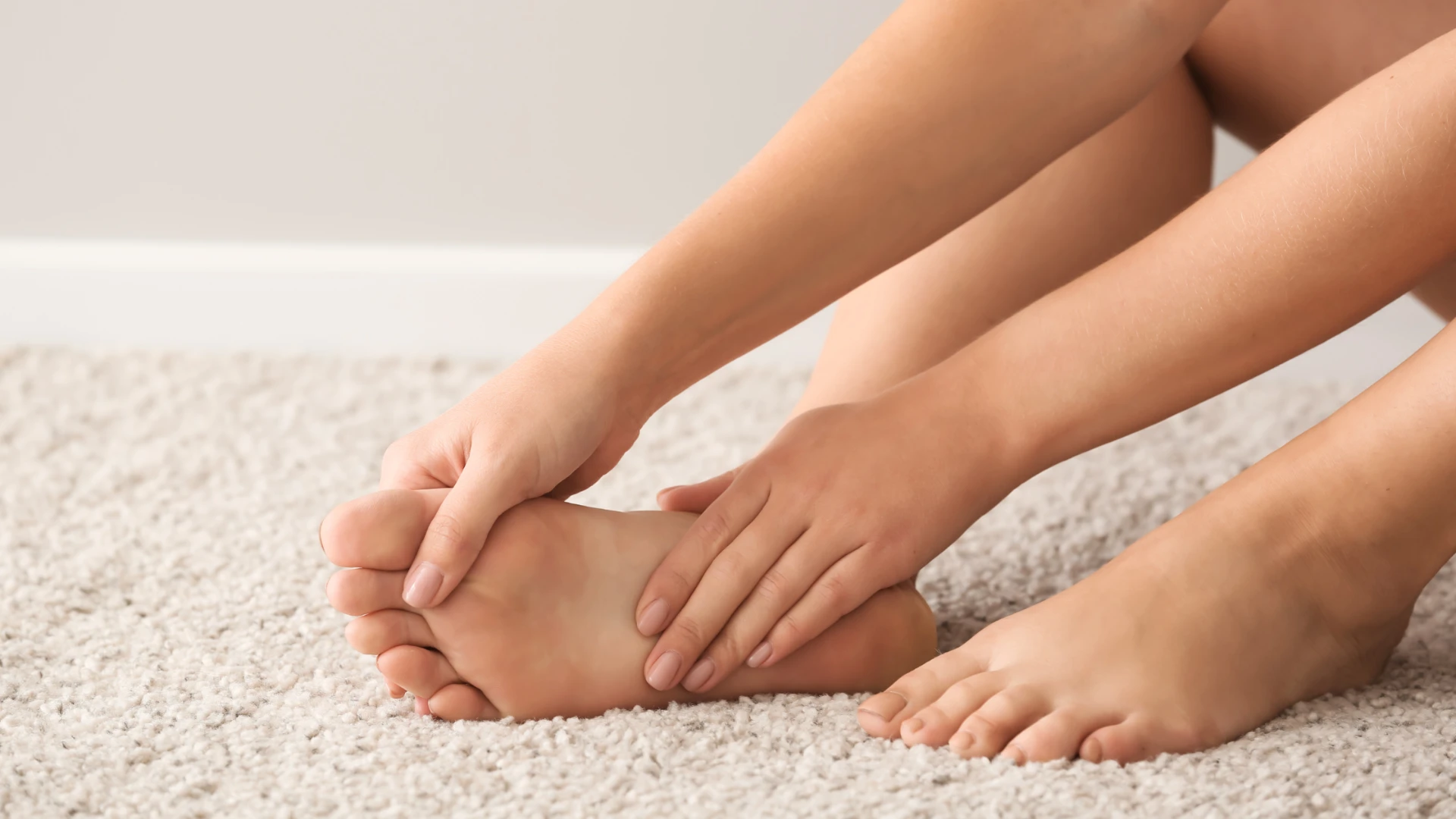
The bottom of the foot has natural fatty tissue that acts like built-in cushioning. When that padding becomes thinner or shifts away from high-pressure areas, walking can begin to feel surprisingly uncomfortable. Patients may describe a deep ache, tenderness under the heel or ball of the foot, or the sensation that they are walking directly on bone. For patients exploring Liposana fat pad restoration, the first step is understanding what fat pad atrophy is and why the source of the pain matters.
Fat pad loss can look like other causes of foot pain, so treatment should begin with a proper diagnosis rather than assuming that more cushioning is always the answer. At Southside Foot Clinic, evaluation is based on the location of symptoms, foot structure, pressure points, activity level, footwear, and any other contributing conditions.
What Is Fat Pad Atrophy?
The heel and forefoot fat pads help absorb shock and distribute pressure while standing and walking. When this tissue thins, becomes displaced, or no longer cushions the foot effectively, the bones and other structures underneath can experience more direct pressure.
Fat pad atrophy may develop gradually. Age-related changes, repeated impact, long periods on hard surfaces, prior foot procedures, or structural and medical factors can all contribute. The symptoms can overlap with plantar fasciitis, neuroma pain, calluses, or arthritis, which is why the exact location and pattern of discomfort matter.
Common Signs of Lost Cushioning Under the Foot
Patients with fat pad loss may notice:
- A deep, bruised feeling under the heel or ball of the foot.
- Pain that becomes worse with prolonged standing or walking on hard surfaces.
- Tenderness directly beneath a bony area of the foot.
- Callus formation over pressure points.
- Less natural padding when the painful area is pressed.
These symptoms do not confirm fat pad atrophy on their own. An examination may also look for plantar fasciitis, nerve irritation, stress injury, arthritis, or another condition that could explain the pain.
Conservative Treatment Still Has a Role
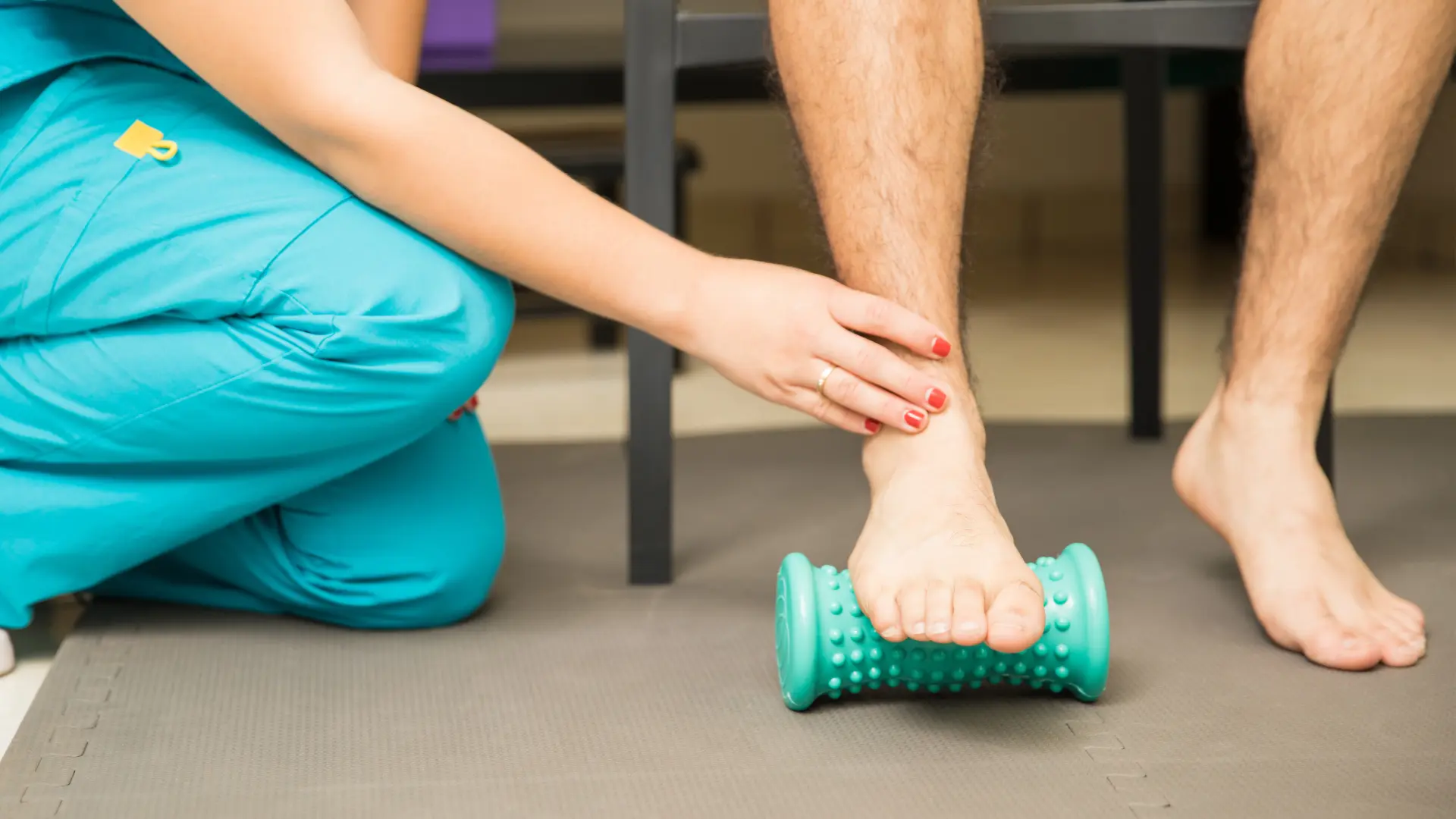
Many patients begin with ways to reduce pressure on the painful area. Supportive shoes, cushioning, activity changes, and orthotics may help make standing and walking more comfortable. They can also address contributing mechanics, especially when pressure is concentrated under a particular part of the foot.
How Liposana Fat Pad Restoration Works
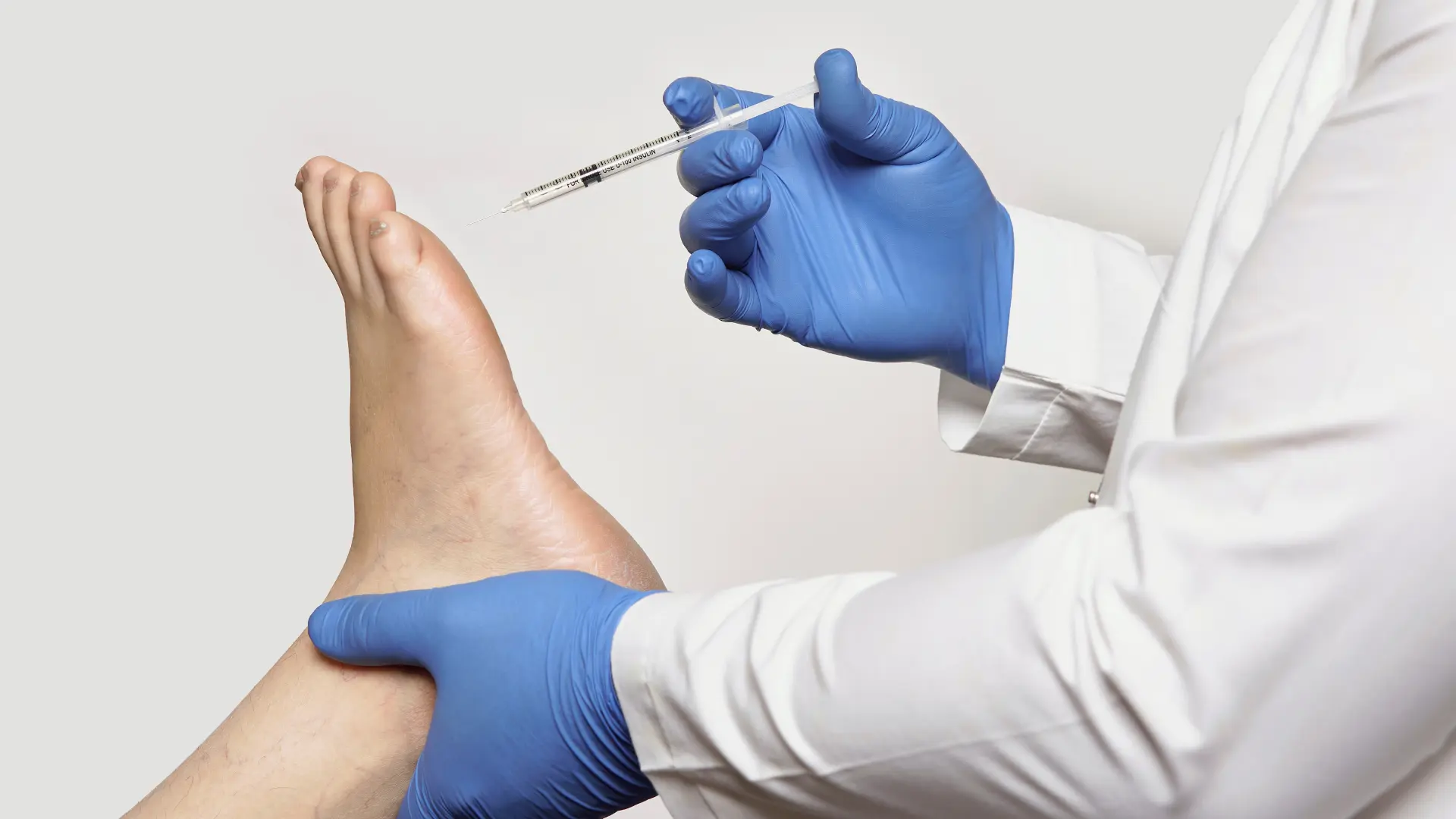
For patients whose symptoms are linked to a true loss of soft-tissue cushioning, Liposana may be considered as part of a personalized plan. Liposana is a ready-to-use human adipose allograft. Rather than harvesting fat from the patient, the product uses processed donor adipose tissue and is designed to provide structural cushioning in areas where adipose tissue has been lost.
The manufacturer, Britecyte, describes Liposana as native adipose tissue intended for structural cushioning and tissue repair in areas of adipose deficit. Research into pedal fat pad restoration is also growing. A 2025 review in The Journal of Foot & Ankle Surgery reported that fat-grafting approaches can reduce pain and improve function in selected patients, while also noting the need for continued research and careful patient selection.
Who May Be a Candidate for Liposana?
A possible candidate may have persistent pain under the heel or forefoot, a confirmed loss of cushioning, and symptoms that continue despite appropriate footwear, padding, or orthotic support. The condition of the skin, circulation, overall health, exact pressure pattern, and other diagnoses should also be considered before treatment.
Liposana is not intended to replace every form of foot pain treatment. Someone whose symptoms are caused by plantar fasciitis, a nerve problem, arthritis, or a structural deformity may need a different approach. In some cases, fat pad restoration may be only one part of the plan, alongside footwear changes or custom offloading.
Discuss Liposana in Greenwood, IN
If loss of cushioning under the foot is making walking or standing painful, a podiatric evaluation can help determine what is causing the pressure and whether Liposana fat pad restoration may fit your needs. Request an appointment with Southside Foot Clinic in Greenwood, IN to discuss your symptoms and the treatment options available.